Table Of Content
Align with the right software professionals to make your product design a success. High fidelity wireframes provide a realistic image of what the user interface can look like after development is completed. UI design is a discipline that focuses on building the visual elements and functionalities of a digital product that a user has direct interaction with. In order to prove the viability of product design decisions, it must be subject to a period of validation. In this phase, the design is tested to gauge its ability in achieving its initial goals which were established during the conceptualization phase. These seek to aid developers in finding the best way possible to communicate the design concept laid out in the document in a real, finished product.
Alternative Solutions
Transphobes call for boycott over Doc Martens shoe design - Los Angeles Blade
Transphobes call for boycott over Doc Martens shoe design.
Posted: Tue, 01 Aug 2023 07:00:00 GMT [source]
Whether you’re developing a new product or making changes to an existing one, ClickUp’s Visual Roadmap Document Template is your secret weapon to keep everyone on track with a shared sense of purpose. Moreover, the template helps align your team around priorities, enabling a collaborative environment with everyone pulling in the right direction. Yesterday’s dead designs might just become tomorrow’s saving grace. “It’s easier to build momentum if others get excited about it,” says Ryhan.
Shared Campus Responsibility
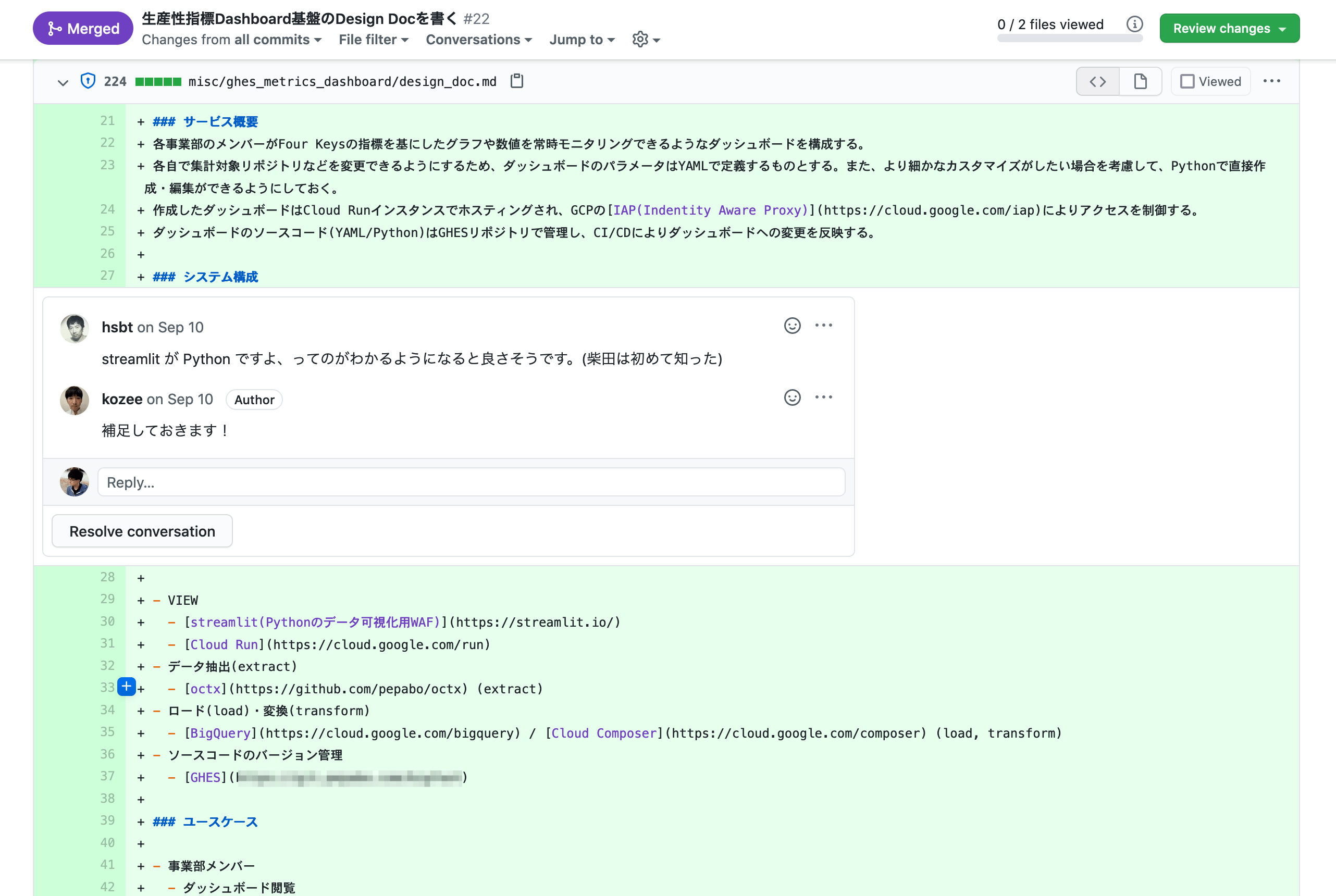
Design docs are lightweight planning documents written before implementing code to solicit feedback, derive alignment, and create documentation. I don’t mean to imply that the design phase is over once you and your client have agreed upon a specification document. At the beginning of your SDD, be sure to include the title of your project, the authors (of the document), and the names of people reviewing the document (typically non-engineering stakeholders). At the beginning of this article, we said the goal of a design doc is to make sure the right work gets done. In the example above, thanks to this design doc, instead of wasting potentially months only to abort this project later, you’ve only spent 8 days.
End-to-End Solutions
If you do, then you risk ruining the very blueprint that’ll guarantee the longevity of your product’s design before it’s even hit the market. Instead, the document should be conserved and updated as modifications to the proposed design are made. It is a continuous process that requires constant improvement of the proposed design throughout the entirety of the product lifecycle. For example, a style guide usually contains information related to the type of color schemes that are to be used to bring forth a particular look and feel captured in a given design. This is especially useful for design concepts that contain several details which are difficult to detect or spot in a visual representation, be it technical in nature, or aesthetic.
When to Write a Design Doc
The goal of software design documents is to assure that everyone is on the same page, and that we can help both parties build great products and innovate in record time. IEEE defines software design documentation as “a description of software created to facilitate analysis, planning, implementation, and decision-making”. In essence, a software design document (SDD) explains how a software product or a feature will be built to meet a set of technical requirements. If the requirements document describes the “what” of your project, the design document focuses on the “how”. Therefore, even though it can feel like a chore sometimes, documenting design requirements and creating software design documents is a must for every software developer. By creating a software design document, your engineering team and other stakeholders can establish exact expectations for the project before you start coding.
Usually, its methodology calls for a formal written report that describes all the elements that constitute a software product’s complete system architecture. This can be done in a Google Doc, Microsoft Word, or any other useful tool that can facilitate the creation of specification documents. Design documentation ought to be a continuous process throughout the design, development, and post-development processes. In it, the team must be sure to include relevant details about the product’s design. They should also add in product modifications which are made during development as well as once the product has been launched.
Doc Martens—A Vocally Pro-LGBTQ Company—Receives 'Woke' Backlash For Shoe Design Featuring Trans Character - Forbes
Doc Martens—A Vocally Pro-LGBTQ Company—Receives 'Woke' Backlash For Shoe Design Featuring Trans Character.
Posted: Tue, 01 Aug 2023 07:00:00 GMT [source]
This allows you to anticipate any snags or roadblocks and plan around them. As various team members work to build out their respective parts of the software, there’s a centralized document that outlines features, dependencies, and other useful bits of information. We conduct a detailed appraisal of existing website content, analyze technical requirements, clarify roles and responsibilities. We define marketing objectives, target audiences and desired outcomes. Next we create a functionality document, user profiles, and assign asset creation among our professionals and the client’s team.
For extra brownie points, treat this design doc as a living document as you implement the design. Update the doc every time you learn something that leads to you making changes to the original solution or update your scoping. You’ll thank me later when you don’t have to explain things over and over again to all your stakeholders. Design docs help you get feedback before you waste a bunch of time implementing the wrong solution or the solution to the wrong problem.
The point of writing a document over a more formal medium is to provide the flexibility to express the problem set at hand in an appropriate manner. Because of this, there is no explicit guidance for how to actually describe the design. A short list of bullet points of what the goals of the system are, and, sometimes more importantly, what non-goals are. Note, that non-goals aren’t negated goals like “The system shouldn’t crash”, but rather things that could reasonably be goals, but are explicitly chosen not to be goals.
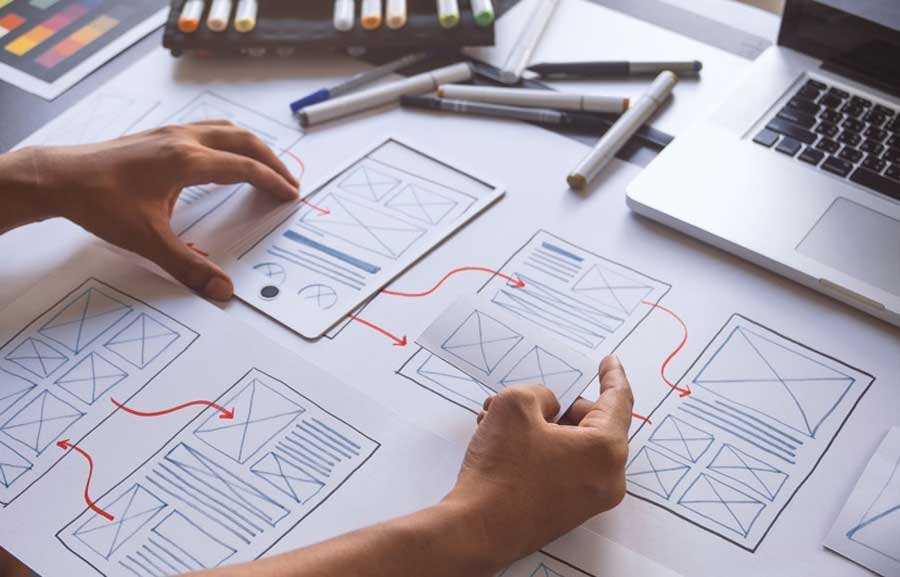
Remember, you are sharing what is best described as a requirements and function document, not an implementation specification. And unless a specific implementation is a stated client objective, how you make it work is up to you. Using wireframes, you’re able to accurately communicate a design that would be nearly impossible to describe in writing. You might find class diagrams, timelines, and other charts similarly useful throughout your SDD. Lastly, if there’s a lot of contention between you, your reviewer, and other engineers reading the doc, I strongly recommend consolidating all the points of contention in the Discussion section of your doc. Then, set up a meeting with the different parties to talk about these disagreements in person.
A well-crafted design document lays the foundation for a project’s success, offering critical prompts that streamline processes and enhance collaboration. Delve into specific details, including key elements like the stakeholders, deadlines, milestones, and all necessary documents related to the project. After chatting with these eight designers, I learned there’s no single way to do design documentation. Every designer has their own process, but we can all learn a trick or two from each other. In a casual Twitter poll, 1 in 3 product designers said they spend at least 25% of their time reviewing or writing documentation.

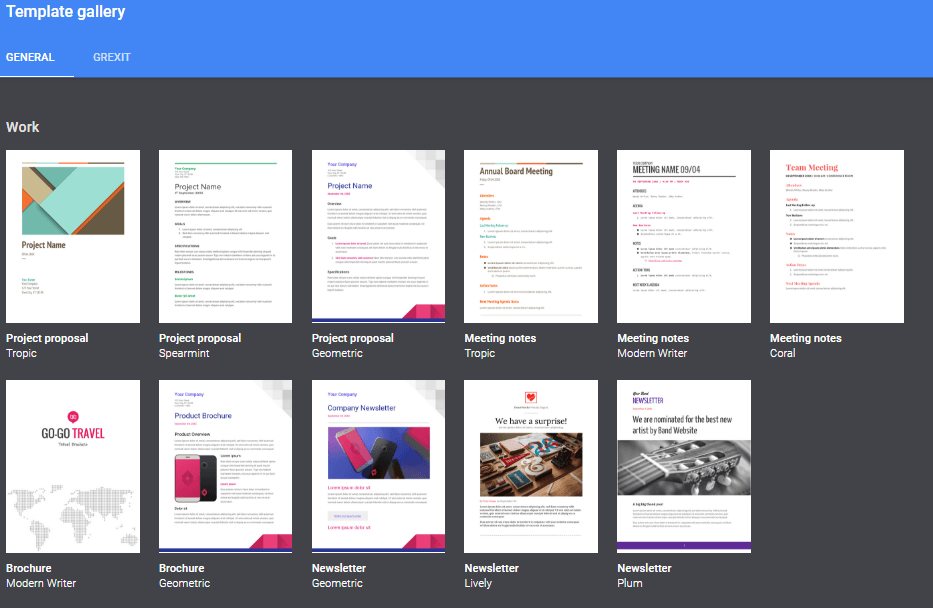
Created by professionals well-versed in system design complexities, the Google Docs System Design Document Template helps create thorough and well-organized documents, setting your project up for success. Initially, it captures the ideas by outlining the project’s goals, objectives, and key action items. This clarity establishes a shared understanding in the team, ensuring a unified sense of direction and purpose. This article will help you understand the intricacies of designing document templates and start on the right foot to avoid hassles going ahead. As Angela Zhang, an Engineering Manager at Plaid puts it, a detailed and thorough design document remains “the most useful tool for making sure the right work gets done”. RFCs (reqeust-for-comments) are a type of design docs that emphasize broad solicitation of input.
This means that all your software documents are only accessible to those who have been given access to it. Generalize these ideas, and be as detailed and thorough as you can—because errors or misunderstandings here will mean rewriting code. Chris has a BSc and 25+ years of development experience, including senior engineering positions at Microsoft and RealNetworks. You’re building software to address a problem, but yours might not be the first attempt at a solution. There’s a good chance an existing solution is in place—you’ll want to describe this solution in your SDD.
There’s a conflict, climax, and resolution — you know, things you’d find in any good story. A lot of times, designers aren’t creating new products from scratch. Instead, they’re making tweaks to existing flows to make them better.